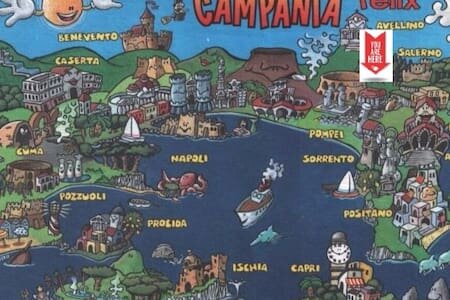
An authentic story about Italy–Germany 1982: the World Cup victory seen through the eyes of a 12-year-old boy in a small town in Campania.
A country in celebration, a child in silence
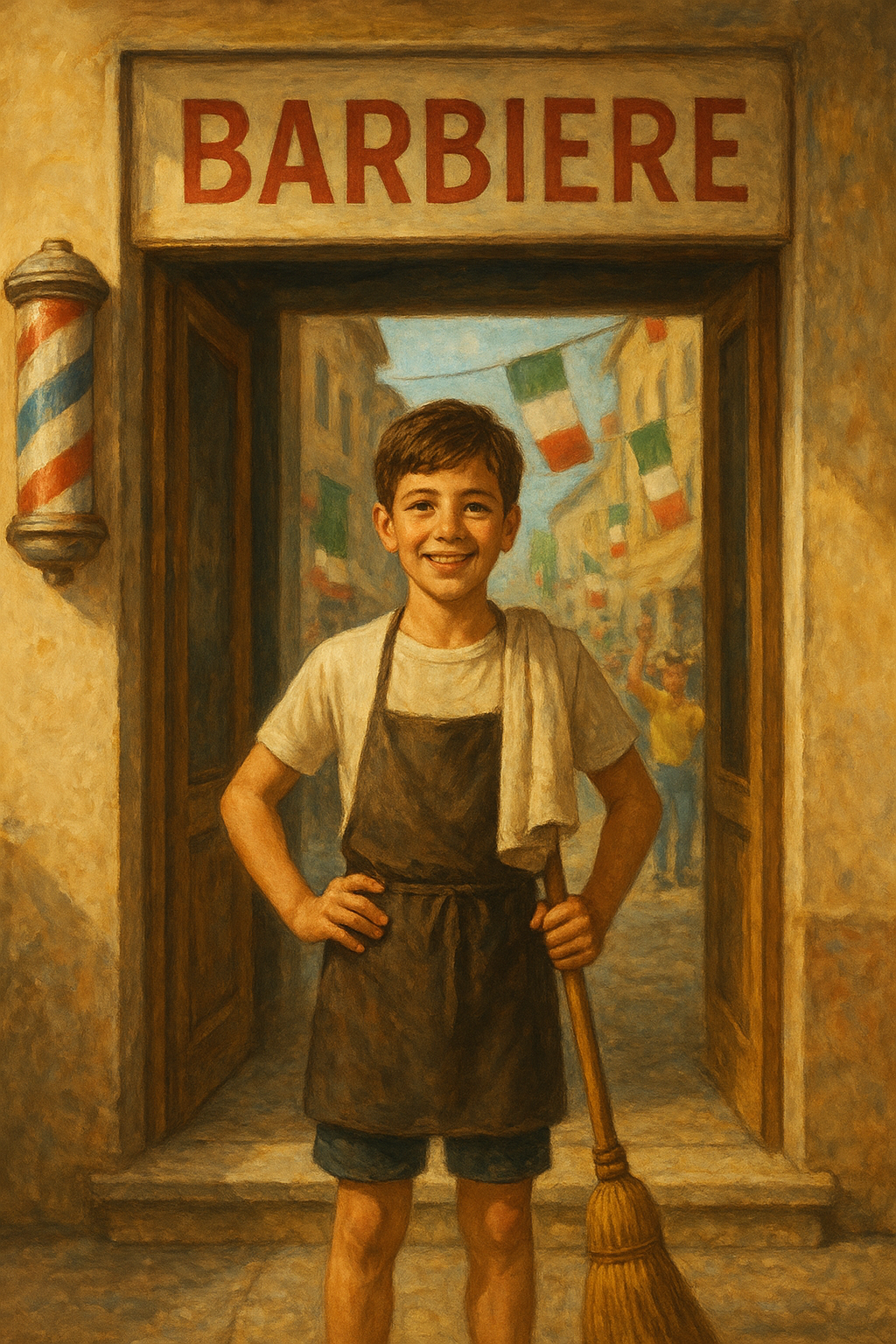
July 11, 1982: the whole country was celebrating. But for me, at 12 years old, it was a completely different story. I had just finished school and had offered myself as a shop boy in the village barber's shop. I wanted my allowance, I wanted to feel grown up. And yet my world had tiny boundaries: school, friends from the many soccer challenges, one-on-one, more duels than matches, played in the square on the cobblestones that burned your legs and hands every time you fell, the countryside where I spent hours helping my parents, and the nearby hamlets that, for me, were already “far away.” That afternoon the shop was empty, as almost always. The barber had gone to the bar in the square, a hundred meters down the road. I didn’t know what to do. Boredom was eating me alive. I sat near the door, on a stone I used as a bench, watching two cats playing with each other. I was just waiting for the barber to come back, so I could finally close up shop. Suddenly, a roar. Then another. Then another again.
From the wide open doors of the bar came a collective shout:
“We won! We are world champions!”
Within minutes the square turned into a whirlwind, a rhythm-less dance full of colors, sounds, and incomprehensible shouts. The old Fiat 500s and 126s began to drive by, packed to the brim; men standing on the seats, flags waving from the windows, horns, trumpets, hugs, laughter, sirens, and improvised chants. Those without cars threw themselves into the street, ran after the parades, clapped their hands, shouted until they lost their voices.
I stayed on the doorstep, eyes wide open.
The Italian flag, for me, wasn’t the flag of soccer. It was the flag from my grandfather’s stories, a veteran of the First World War. For him it was a symbol of pain and sacrifice, not celebration. Raised on those stories, I struggled to understand how that tricolor could make an entire people rejoice. Seeing it wave for a soccer match unsettled me, confused me. It almost hurt. I didn’t yet know the sense of Nation, nor the power of sport. But I felt that this was a true, strong, shared happiness. An immense collective joy capable of turning perfect strangers into brothers.
I watched. Amazed. Hypnotized.
At 12 years old maybe I didn’t understand soccer, nor Rossi, nor Tardelli, nor Zoff. But I remember the thrill. I remember the summer sky. I remember the noise, the crowd, the laughter, the smell of the square. I remember the new feeling of belonging—even just as a spectator—to something bigger than my little world.
That was the first time I realized, not from hearsay but with my own eyes, that outside my boundaries there was a huge world.
And that one day, I would really want to get to know that world.